Denim Junk Patchwork Digital Paper: The Ultimate Creative Toolkit Explained
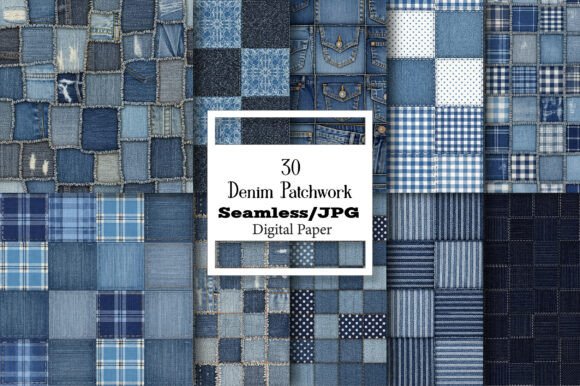
In the world of digital design resources, Denim Junk Patchwork Digital Paper stands out as a remarkably versatile foundation. It is a pre-designed, high-resolution digital file that mimics the textured, layered look of distressed denim and eclectic fabric scraps. Think of it as a digital swatch book of vintage-inspired patterns, ready to be applied to an astonishing array of projects without needing to cut or sew actual fabric. Its appeal lies in its instant accessibility and the authentic, tactile aesthetic it brings to purely digital or printed creations.
However, the sheer breadth of its suggested applications—from tote bags to tumblers, social media backgrounds to soap labels—can lead to both excitement and confusion. Many creators, from hobbyists to entrepreneurs, jump in with enthusiasm but overlook critical details that affect the final outcome. Understanding these nuances is the key to unlocking the true potential of this resource and avoiding common pitfalls that waste time, money, and creative energy.
Assuming One File Fits All Projects
A frequent misunderstanding is treating the digital paper as a universal solution. The file is a JPG format at 300 DPI, which is excellent for high-quality printing and sublimation. Yet, applying it correctly requires considering the end medium. For instance, using the same file for a website graphic and a large poster without proper resizing can cause issues. Website graphics often require lower resolution for fast loading, while a poster needs the full 300 DPI to avoid pixelation.
The mistake here is a one-size-fits-all approach, which results in poor image quality online or unnecessarily large file sizes that slow down design software. The better approach is to resize the original file to suit the specific project's dimensions before you begin designing. Always check the required dimensions and resolution for your platform—whether it's a 1080px social media post or a 24-inch wide tumbler wrap.
Neglecting the Importance of File Format and Color Mode
While the received file is a JPG, many advanced applications, like professional graphic design for logos or layered website backgrounds, might require different formats. A common oversight is not converting the image to the appropriate color mode. JPGs typically use the RGB color mode, which is perfect for screens and digital displays. However, if you are sending the design for professional offset printing on items like party napkins or playing cards, the printer may require CMYK color mode to ensure accurate color reproduction.
Failing to check and convert can lead to muted or inaccurate colors on your final printed products, a costly error for business owners selling physical goods. Before starting, confirm the output requirements. If printing professionally, consult your printer about their preferred file format (sometimes PNG or TIFF for complex projects) and color mode. Simple conversion in a program like Photoshop or GIMP can save significant frustration.
Overlooking Surface and Material Compatibility
The list of ideas is inspiring, but not every surface is suitable for every design technique. The digital paper is great for sublimation, which requires polyester-rich substrates. Applying a sublimation design featuring this paper to a 100% cotton t-shirt will fail; the ink won’t bond properly. Similarly, using it for printable fabric for a tote bag requires specific inkjet-friendly fabric sheets, not regular paper.
This mistake directly affects product quality and durability. A cute tote bag design can wash away or fade if the material and printing method are incompatible. To avoid this, research the correct blank product or material for your chosen application. For sublimation on mugs or tumblers, ensure they are coated for sublimation. For printable fabric projects, purchase the appropriate fabric sheets designed for home printers. Matching the technique to the material is a fundamental step.
Underestimating the Need for Design Layering and Editing
Beginners often place the digital paper as a static background and consider the design complete. However, the "junk patchwork" style, with its busy, textured details, can sometimes overwhelm other elements. A common error is using it as a full-background for text-heavy items like notebook covers or invitations without proper contrast adjustment.
The result is a visually cluttered final product where important text or logos become hard to read. The practical solution is to treat the digital paper as a textured layer within your design software. Use it strategically. You might fade its opacity, use a large portion of it as a border rather than the entire background, or employ solid color overlays in areas where text will sit. This approach maintains the trendy aesthetic while ensuring functionality and clear communication.
Failing to Verify Licensing and Usage Rights
While this product is typically offered for personal and commercial use, a critical step many overlook is reading the specific license provided by the seller. Not all digital papers allow for use in KDP (Kindle Direct Publishing) or on physical products for mass resale without limitations. Using the asset in a way that violates its license can lead to legal issues and product takedowns.
Before investing time in creating a product line—like a series of junk journals or candle labels for your business—always verify the commercial license terms. Does it allow unlimited sales? Are there any restrictions on the types of products? This due diligence protects your business and ensures your creative efforts are built on a solid, legal foundation.
Denim Junk Patchwork Digital Paper is a powerful asset that bridges the gap between handmade charm and digital efficiency. By avoiding these common missteps—by resizing purposefully, checking technical specs, matching designs to materials, layering thoughtfully, and understanding the license—you transform a simple download into a reliable, professional-grade creative tool. It empowers you to produce cohesive, high-quality designs across your entire brand or hobby portfolio, from that personalized pillow gift to your trendy social media presence, with confidence and standout style.