Evaluating Impasto City Fountain Oil Painting Art
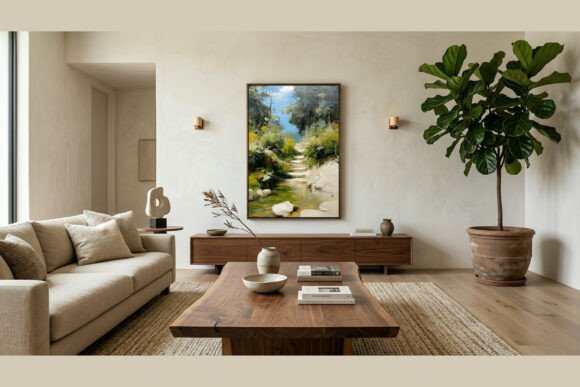
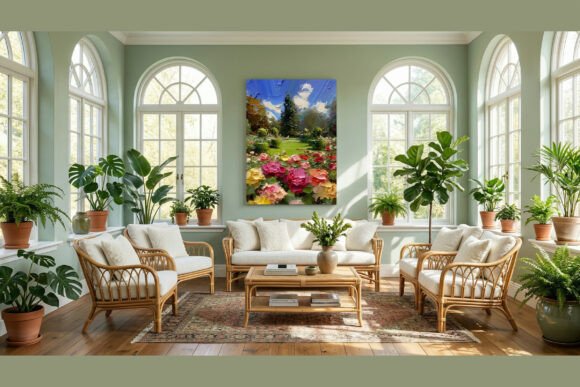
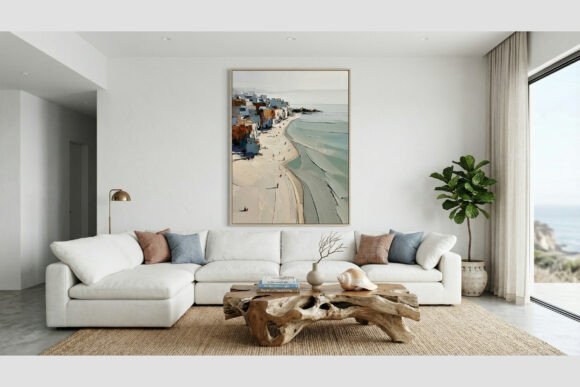
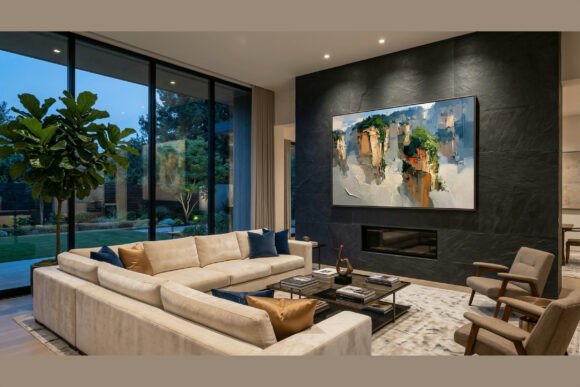
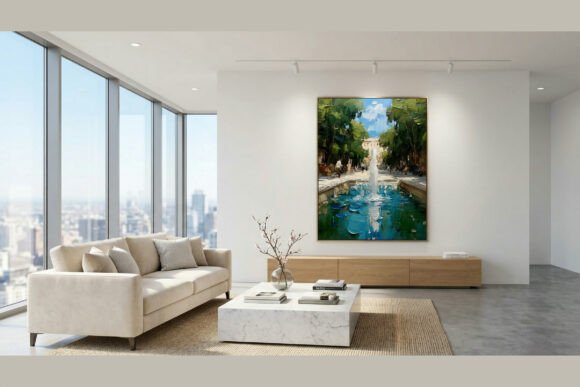
When considering artwork for a space, particularly a digital file intended for large-scale printing, a detailed evaluation of the piece’s characteristics and practical implications is essential. Impasto City Fountain Oil Painting Art refers to a specific genre of digital artwork that mimics the traditional oil painting technique of impasto, applied to a subject of classical urban architecture. This piece, depicting a sun-drenched city square with a central fountain and tree-lined promenade, serves as a case study for understanding this style’s potential fit for various interiors and purposes.
Understanding the Artistic Style and Composition
This artwork is a digital creation executed in the style of modern impressionism with a pronounced emphasis on the impasto technique. Impasto involves applying paint thickly so that brushstrokes or palette knife marks are visible, creating a textured, three-dimensional surface. In a digital context, this texture is simulated to produce a similar visual effect of depth and physicality. The subject matter—a European-style square—and the vibrant, warm color palette evoke a sense of Mediterranean vitality and historical charm. The high-resolution specification (8000x12000px at 300 DPI) indicates it is designed for professional-grade printing at substantial sizes, adhering to a 2:3 aspect ratio.
Primary Motivations for Interest
Individuals may evaluate Impasto City Fountain Oil Painting Art for several key reasons. First, it appeals to those seeking to introduce a focal point with classical aesthetic appeal into a contemporary setting. The juxtaposition of Old World subject matter with modern impressionist execution can bridge design eras. Second, the promise of texture and depth is significant for viewers who find flat digital prints lacking in tactile intrigue; the simulated impasto offers a solution. Third, as a digital download, it provides immediate access and full control over printing scale and medium, which is attractive for those with specific framing or size requirements who wish to avoid shipping physical art.
Benefits and Practical Considerations
The primary benefit of this format is customization. Owning a high-resolution file allows for printing on various materials—canvas, fine art paper, or metal—and at dimensions perfectly suited to a specific wall. The 2:3 aspect ratio is a common and versatile proportion for large wall art. The style’s vivid colors and bold texture can energize a space and add a layer of sophisticated character.
However, there are important tradeoffs and considerations. The quality of the final product is entirely dependent on the printing service used. Achieving the “crisp, professional printing” and preserving the detail of the simulated brushstrokes requires a reputable printer and potentially a consultation on material choices. The cost is not just the digital file; it includes professional printing and framing, which can be substantial for large formats. Furthermore, the specific subject matter and color palette, while vibrant, dictate a particular mood. The artwork’s strong Mediterranean afternoon atmosphere must harmonize with the existing color scheme and lighting of the room.
Situations Where This Artwork Is a Strong Fit
This piece could be a compelling choice in several scenarios. It may align well with the goals of someone decorating a large, minimalist living room or home office that needs a singular, powerful centerpiece to anchor the space. The artwork’s scale and detail demand a sizable wall. It also suits interiors that already blend modern and traditional elements, where its style can act as a connective bridge. For individuals with a personal affinity for European architecture or impressionist art, the subject matter and technique provide a direct match to their interests. The digital download model is particularly advantageous for those who require expedited decoration or who live in locations where sourcing large physical art is challenging.
Considering Alternatives and Decision-Making Insights
While Impasto City Fountain Oil Painting Art has distinct attributes, alternatives may be worth exploring depending on one’s priorities. If physical texture is paramount, an actual original or reproduction oil painting executed with real impasto would provide authentic tactile depth, though at a typically higher cost and with less size flexibility. For those uncertain about committing to such a dominant subject matter, more abstract or neutral-toned modern impressionist works might offer easier integration. Similarly, if the goal is simply large-scale wall decor with less narrative content, panoramic landscape photography or geometric abstract art could serve as alternatives.
Practical decision-making should center on a clear assessment of needs. Evaluate the target wall: is it large enough to justify the recommended scale? Consider the room’s lighting: will the painting’s sun-drenched colors be enhanced or clash? Budget holistically for file, printing, and framing. Research local or online printing services to understand capabilities and costs for large-format, high-DPI jobs. It is also prudent to view the artwork’s color palette on different screens to ensure its vibrancy meets expectations.
Aligning the Artwork with Personal Goals and Needs
Ultimately, determining whether this specific digital artwork aligns with your objectives involves answering a series of evaluative questions. Is the primary goal to add a bold, classical focal point with modern execution? Is control over the final print size and medium a valuable advantage? Are you prepared to manage the process and cost of professional printing? Does the evocative, specific scene of a fountain and city square resonate with your desired ambiance? If the answers lean toward affirmative, then Impasto City Fountain Oil Painting Art represents a viable and customizable option. If uncertainty exists around subject matter, the necessity of texture, or the logistics of printing, then further exploration of other styles or physical art forms may be the prudent path. This evaluation process ensures the selected art not only decorates a space but also fulfills a defined aesthetic and practical purpose.