Luxury Royal Blue Textures: A Versatile Digital Asset for Creative Workflows
In the realm of digital design and hands-on crafting, the search for high-quality, adaptable visual elements is a constant process. Luxury Royal Blue Textures represent a specific category of digital graphics that serve as a foundational resource for a wide spectrum of projects. These textures, often provided as high-resolution JPEG files, are not merely static images; they are dynamic assets that integrate into various stages of a creator’s workflow, from initial concept to final product.
Understanding the Asset and Its Core Characteristics
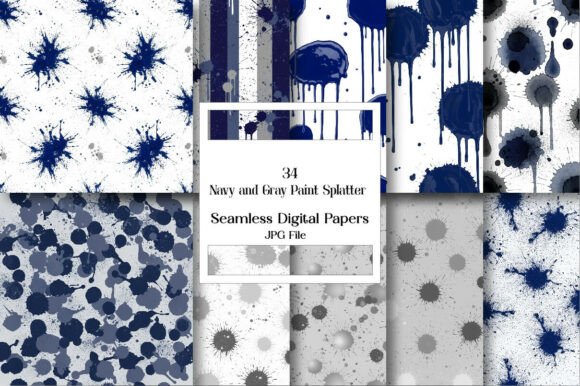
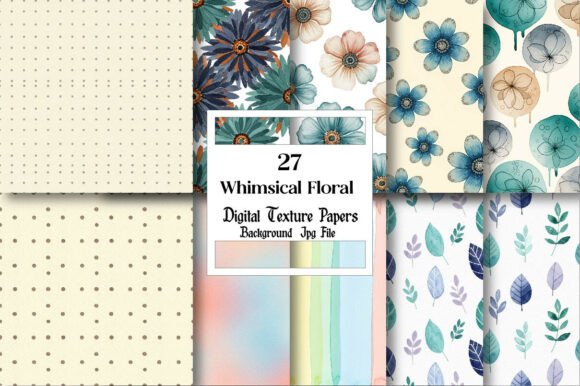
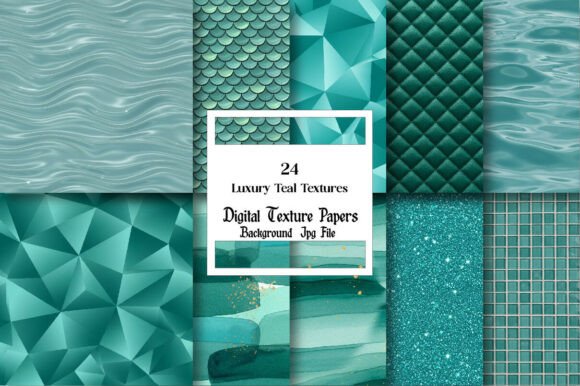
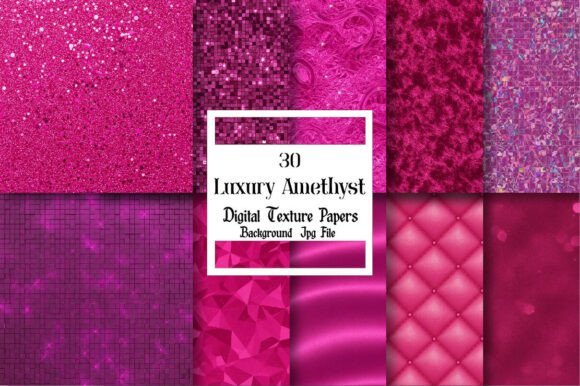
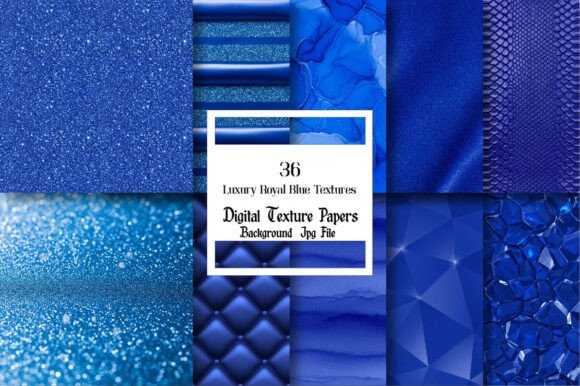
Luxury Royal Blue Textures are digital files characterized by their rich, deep blue coloration and often intricate, elegant patterns. A key practical note is that some files are seamless, meaning they can be tiled repeatedly without visible edges, while others are unique compositions. This distinction directly influences their implementation. The seamless textures are ideal for covering larger areas, such as website backgrounds, tumbler wraps, or printable fabric, where continuity is essential. The non-seamless files often serve as focal points or decorative elements for items like notebook covers, scrapbook decoupage, or personalized pillows.
The technical specifications—high resolution at 300 DPI and provided in JPG format—are deliberate choices that affect the asset's usability. High resolution ensures that when the texture is applied to physical products like mugs, candle labels, or party napkins through sublimation or printing, the quality remains sharp and professional. The JPG format offers broad compatibility with most design software, printing equipment, and online platforms, simplifying the integration process.
Integration into Creative and Business Processes
The utility of Luxury Royal Blue Textures lies in their placement within a broader project lifecycle. For a planner or entrepreneur, these textures can be a starting point. A blogger might use them to create cohesive social media graphics and website banners before launching a new content series. A small business owner in the wedding industry could immediately apply them to digital invitations, bridal shower decoration mock-ups, and product labels for handmade candles, establishing a consistent luxury theme from the outset.
During the execution phase, the textures interact with various tools and methods. For sublimation workflows targeting tumblers or t-shirts, the texture file is imported into design software like Photoshop or Canva, positioned, and then sent to the heat press. In paper craft projects like mini junk journals or KDP (Kindle Direct Publishing) book covers, the texture might be printed on specific paper stock, cut, and assembled. The ability to resize the dimensions without losing quality is a critical factor here, allowing the same asset to be adapted for a small playing card or a large wall art print, maximizing efficiency and value.
Practical Implementation Across Diverse Use Cases
Effective use requires a clear understanding of the end medium. Here are practical observations for integrating these textures smoothly:
For Digital and Print-on-Demand Applications
When creating digital items like social media backgrounds or website graphics, ensure the texture's contrast works with overlaid text or logos for readability. For physical products like personalized pillows or scrapbook pages, a test print on a small scale is advisable to check color vibrancy and texture clarity before committing to a full production run. Organization is key; labeling your downloaded texture files with their intended primary use (e.g., “seamless_for_wraps,” “focal_for_cards”) streamlines future projects.
For Hands-On Crafting and Gift Production
The textures serve as premium raw material. In crafting handmade stationery or gift bags, you might print the texture on transfer paper for fabric or on sturdy cardstock. Their application in decoupage for journals or decorations requires precise cutting and adhesive selection. Consistency across a product line—such as using a coordinating Luxury Royal Blue Texture for both soap labels and matching party plates—enhances brand perception for craft sellers and adds a polished touch for hobbyists making gifts.
Factors for Long-Term Utility and Quality Control
Beyond immediate use, consider how these assets fit into your long-term resource library. Their versatility makes them a reusable component. A marketer might use the same texture pack for a campaign's webinar presentation graphics, subsequent promotional stickers, and even branded phone case designs, ensuring visual coherence across touchpoints. Quality control is inherent in the source file's high DPI, but maintaining quality during implementation depends on your output method: using professional-grade printers for physical products and preserving file integrity when resizing for different platforms.
Preparation involves assessing compatibility with your specific tools. While the JPG format is widely accepted, verifying your sublimation printer's software requirements or your chosen publishing platform's file specifications for book covers or posters prevents workflow interruptions. Usability is high, as these textures require no additional editing to be effective, but they also offer a base for further customization if desired, such as overlaying patterns or adjusting hue for derivative designs.
Workflow Examples: From Concept to Finished Product
Imagine a freelance designer tasked with creating a brand package for a boutique client. They might start by selecting a Luxury Royal Blue Texture as the primary visual motif. This texture is then applied to the logo design, website background graphics, and digital presentation templates. Next, for the client's physical products, the same texture is resized and formatted for sublimation onto mugs and t-shirts, and printed onto labels for product packaging. The entire project leverages a single, cohesive asset, streamlining the design process and ensuring brand unity.
For an educator creating classroom materials or a planner designing a digital journal, the texture could be used as a background for printable worksheets, planner dividers, and bookmark gifts. The process involves importing the file into a document creation tool, setting it as a background layer, and adding content over it. The result is a professional, aesthetically pleasing material that enhances the user's experience without requiring extensive design time.
Key Takeaways for Smooth Integration
- Identify the Scale: Determine if your project needs a seamless (for large, repeating areas) or non-seamless (for focal points) texture at the planning stage.
- Resize Intelligently: Use software that maintains resolution when scaling the JPG file to fit your specific item, from a tiny sticker to a large wall wallpaper.
- Test Outputs: Always run a test on your target medium—a small print, a mock-up sublimation, or a digital preview—to verify color and detail integrity.
- Organize for Reuse: Archive the textures in your digital asset library with clear tags, making them a go-to resource for future projects requiring a luxury blue aesthetic.
Ultimately, Luxury Royal Blue Textures are more than just decorative images; they are a practical, multi-purpose input that moves through a creator’s workflow. They reduce the need to source disparate elements, provide a foundation for consistency across digital and physical outputs, and offer the flexibility to support both commercial production and personal creative expression. By understanding their properties and thoughtfully integrating them into your process from preparation to final application, you can enhance the quality and efficiency of a diverse range of projects.