The Versatile World of Trendy Abstract Patterns: A Designer's Resource Guide
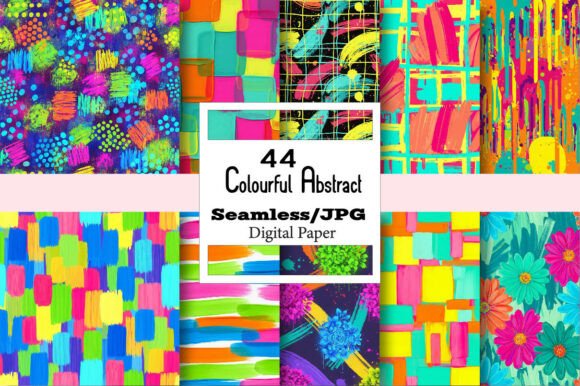
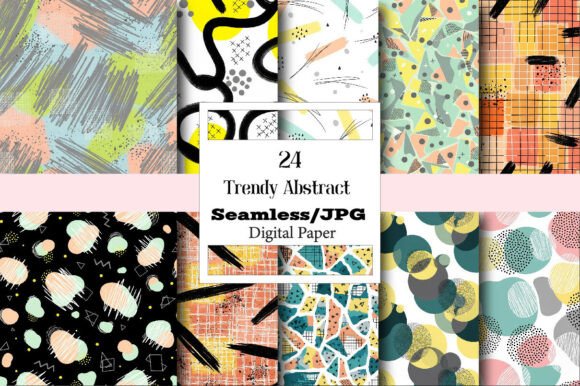
In the expansive universe of digital design assets, a specific category has risen to prominence for its remarkable adaptability: Trendy Abstract Patterns. These are not merely decorative backgrounds but curated collections of non-representational, contemporary designs characterized by flowing shapes, organic lines, modern color palettes, and often a touch of playful geometry. What distinguishes them from generic patterns or traditional motifs is their intentional alignment with current visual trends—think soft blobs, fluid gradients, intricate linework, and bold yet balanced color combinations—making them instantly relevant for a wide array of projects.
Understanding the Core Value and Distinction
At their core, Trendy Abstract Patterns serve as a foundational creative component. Unlike bespoke illustrations or brand-specific logos, these patterns are designed for reuse and reinterpretation. Their primary value lies in their seamless application. A single pattern file, provided in high-resolution JPG format at 300 DPI, can be the starting point for a tote bag design, a mug wrap, and a website banner, with no loss of quality or aesthetic coherence. This universality is their key distinction when compared to more niche or context-specific assets, such as pre-made product mockups or themed illustration packs.
When evaluating digital resources, crafters and designers often compare options like Trendy Abstract Patterns against more structured alternatives, such as template kits with fixed layouts or stock photography. While templates offer speed, they can limit customization. Stock photos provide realism but may lack stylistic flexibility. Trendy Abstract Patterns occupy a middle ground: they provide a strong stylistic direction and high-quality visual texture while leaving the final composition, scale, and application entirely in the hands of the user. This makes them a powerful tool for those who possess creative vision but seek to streamline the initial design phase.
Evaluating Use Cases and Project Fit
The advertised applications—from cute tote bags and notebook covers to sublimation graphics and party napkins—are not just a list of possibilities; they represent realistic, high-frequency use cases. The decision to use Trendy Abstract Patterns often hinges on the project's need for cohesive branding or decorative consistency across multiple mediums. For instance, a small business launching a line of personalized pillows and matching tumblers would benefit immensely from a single pattern collection, ensuring their products share a recognizable visual language without requiring custom art for each item.
Strengths and Ideal Scenarios
The strengths of this resource are multifaceted. Firstly, it offers cost and time efficiency. Purchasing a well-curated set of patterns is typically more economical than commissioning custom patterns for each new product or event. Secondly, it provides visual trend assurance. As the patterns are "trendy," they help creators produce work that feels current and appealing without requiring deep market analysis. Thirdly, the high-resolution, watermark-free JPG format empowers professional-quality output for both digital and physical ends.
This option is a particularly strong fit for:
- DIY entrepreneurs and small craft businesses looking to develop a cohesive product line.
- Event planners needing matching decorations, invitations, and backgrounds for weddings, baby showers, or birthdays.
- Digital content creators who require a quick refresh of their social media graphics, website backgrounds, or presentation slides.
- Junk journal and scrapbook enthusiasts seeking unique, modern papers for decoupage and journaling beyond traditional vintage styles.
Tradeoffs and Limitations to Consider
While versatile, Trendy Abstract Patterns are not a universal solution for every design need. One key tradeoff is the potential for stylistic commonality. Since these patterns are sold to a broad audience, other creators might use the same assets. For projects where absolute uniqueness is paramount, such as a flagship brand logo or a nationally-distributed book cover, a truly custom design may be a necessary alternative.
Another consideration is the level of design skill required for optimal use. The user must be comfortable with basic graphic software to resize, crop, recolor, and overlay these patterns effectively. For someone only needing a ready-to-print birthday card, a complete card template kit might be a more straightforward choice. Furthermore, the abstract nature means they may not suit projects requiring explicit pictorial content or literal storytelling imagery.
When to Choose Alternatives
A practical comparison reveals that Trendy Abstract Patterns may not be the optimal primary resource in specific scenarios. If your project is:
- Hyper-specific and narrative-driven (e.g., a children's book about dinosaurs), illustrated asset packs would be more directly applicable.
- Bound by extremely rigid technical specifications (e.g., a mobile app UI needing exact SVG icons), a dedicated UI/UX component library is preferable.
- A one-off, single-medium project (e.g., one poster), sourcing a single, purpose-made graphic might be simpler than adapting a pattern.
In these cases, exploring alternatives like custom illustration commissions, niche-specific template packs, or even generating simple patterns via design software might yield a better fit.
Decision Factors for the Informed Creator
Making an informed choice about integrating Trendy Abstract Patterns into your workflow involves weighing a few concrete factors. Assess the scope of your project. Are you producing multiple items across different formats? The pattern set's value increases with scale. Examine the target audience's expectations. Does a modern, artistic, and slightly playful aesthetic align with their tastes? Then, evaluate your own technical capability and time. Can you efficiently manipulate these files in your preferred design tool?
Also, consider the longevity of the trend. While "trendy" implies current relevance, some abstract designs possess a timeless quality that extends their usability. Scrutinizing the color palette and composition for classic balance versus overtly fashionable elements can help gauge how long the resource will remain useful to you.
Ultimately, Trendy Abstract Patterns represent a powerful, flexible tool in the digital creator's toolkit. They are not a replacement for all other assets but a strategic supplement that excels at providing stylistic cohesion and modern flair across a dizzying array of applications. By understanding their distinct value, recognizing their ideal use cases, and acknowledging their limitations, creators can confidently decide when this resource is the right cornerstone for their next project—and when it might be better to explore a different, more specialized path.