Unlocking Creative Potential: The Versatility of Vintage Wood Texture Backgrounds
In the digital age, where sleek graphics and minimalist designs often dominate, there exists a profound and enduring appeal for textures that tell a story. Among these, vintage old wood texture backgrounds hold a special place. These digital files, capturing the essence of weathered planks, grain patterns, and time-worn surfaces, are not merely images; they are foundational tools for a vast spectrum of creative projects. From crafting a cozy junk journal to designing a brand’s social media presence, these textures serve as a bridge between nostalgic warmth and contemporary digital creation.
What Are Vintage Wood Texture Backgrounds?
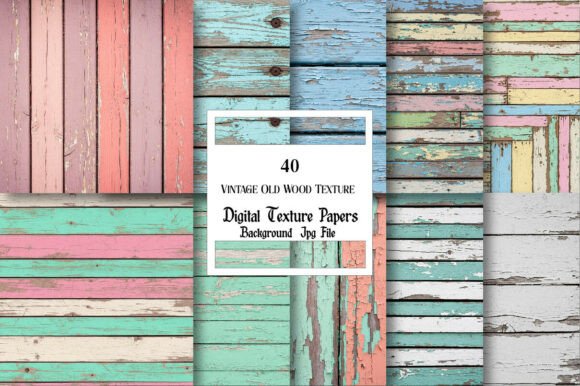
Let’s start from the ground up. A vintage wood texture background is a high-resolution digital image file, typically in JPG format, designed to mimic the appearance of aged wood. The magic lies in its details: the subtle cracks, the varied coloration from sun exposure, the imperfect knots, and the tactile sense of history. Some of these files are seamless, meaning the pattern repeats perfectly without visible edges, allowing them to tile infinitely for larger backgrounds like website graphics or wallpaper. Others are singular, beautiful snapshots of a specific wooden surface. They are offered as instant digital downloads, meaning you receive the file immediately—a high-quality, 300 DPI image without watermarks, ready for your creative process.
The Core Purpose and Significance
The primary purpose of these assets is to provide a authentic, organic base layer for design. In a world saturated with flat colors and synthetic patterns, a wood texture introduces depth, character, and a human touch. Its significance is twofold. Firstly, it fulfills a visual and emotional need. Wood is associated with craftsmanship, nature, reliability, and warmth. Using a vintage texture can evoke these feelings in your project, whether it’s a wedding invitation aiming for rustic charm or a book cover seeking a classic, scholarly aesthetic. Secondly, it serves a practical and economic function. For small business owners, crafters, and digital entrepreneurs, purchasing a versatile texture pack is a cost-effective alternative to sourcing physical materials or commissioning custom photography. It democratizes design, enabling anyone with a computer to access high-quality artistic elements.
A Universe of Practical Applications: Where Texture Meets Creation
The practical relevance of vintage wood textures is astonishingly broad. They fit seamlessly into modern life, work, business, and daily creative activities. Their adaptability is their greatest strength.
For Crafts and Physical Products
- Cute Tote Bags & Personalized Pillows: Through sublimation printing or other transfer methods, the texture becomes part of the fabric, turning ordinary items into unique, marketable products.
- Notebook Covers & Scrapbook Decoupage: The texture provides an instant rustic or vintage theme for paper-based crafts, enhancing mini junk journals and memory-keeping projects.
- Candle, Soap Product Labels & Packaging: For artisans selling handmade goods, a wood-textured label conveys natural, eco-friendly qualities, directly influencing brand perception.
- Tumblers and Mugs: Sublimation wraps using these textures create popular, personalized drinkware that stands out in a crowded market.
- Playing Cards & Party Decorations: Imagine vintage-themed game nights or birthday parties where even the napkins and plates feature elegant wood-grain designs.
For Digital and Graphic Design
- Trendy Social Media Backgrounds & Website Graphics: A wood texture can frame content on Instagram, Facebook, or a website’s header, adding professionalism and stylistic cohesion.
- Digital Presentations & Book Covers: In educational or business contexts, a textured background can make slides or e-book covers more engaging and visually authoritative.
- Logo Design & Wall Art: Elements of wood texture can be integrated into logos for businesses like coffee shops or furniture makers, or printed as large-scale digital wall art for home decor.
This list—extending to bookmarks, phone cases, handmade stationery, and much more—illustrates how a single digital asset can propagate across dozens of creative domains. It empowers individuals to maintain a consistent aesthetic across multiple products and platforms, a key advantage in branding and personal expression.
Clarifying Common Misunderstandings
Despite their utility, some assumptions about these textures can hinder their full utilization. Let’s clarify a few.
- “They are just for rustic themes.” While perfect for rustic looks, vintage wood textures can be juxtaposed with modern, clean fonts and geometric shapes to create a striking hybrid style—think a tech startup website using a wood texture sidebar for visual warmth.
- “They are low-quality if they’re digital.” Provided they are high-resolution (300 DPI), these textures are often superior for print and digital use because they are free of physical imperfections like dust or shadows and can be resized without losing detail.
- “I need graphic design expertise to use them.” Many users simply employ them as printable sheets for crafts or as direct backgrounds in simple design software. The barrier to entry is low.
- “Seamless textures are always better.” Not necessarily. A seamless texture is essential for repeating backgrounds, but a non-seamless, unique wood slice might be the perfect focal image for a scrapbook decoupage project where repetition isn’t desired.
Technology’s Role: Sublimation and Digital Printing
The fit with modern technology is particularly notable in the realm of sublimation printing. This process uses heat to transfer dye onto materials like polyester, ceramic (mugs), or metal (tumblers). A vintage wood texture, as a sublimation graphic, becomes permanent, vibrant décor on these items. Similarly, advancements in home and commercial digital printing allow these textures to be output on paper, fabric, and sticker vinyl with exceptional fidelity. Technology has transformed a niche visual element into a mass-production-ready component.
Building a Broader Understanding: The Texture as a Creative Catalyst
Ultimately, viewing a vintage wood texture background merely as a “picture of wood” misses the point. It is better understood as a creative catalyst. It provides a starting point with inherent mood and narrative. For the crafter, it suggests a direction—perhaps towards a nature-inspired gift. For the entrepreneur, it offers a quick route to product differentiation. For the digital designer, it solves the problem of finding an authentic, non-generic background.
Its relevance in education is also growing. Teachers and students use these textures in digital presentations for history projects or literary analyses to create a fitting visual environment. In daily activities, someone designing a family reunion invitation might choose a wood texture to symbolize strength and family roots.
The key takeaway is versatility through simplicity. A well-crafted wood texture doesn’t dictate the final product; it enhances it. It’s a tool that supports both the beginner making a first set of Printable Fabric for a quilt and the experienced graphic designer crafting a comprehensive brand identity. By offering a downloadable, resizable, watermark-free file, these assets respect the user’s need for flexibility and ownership, fitting perfectly into the on-demand, DIY ethos of contemporary creative culture.
So, whether you are exploring KDP (Kindle Direct Publishing) for book interiors, designing a logo for your small business, or simply looking for a beautiful background for your next craft project, consider the vintage wood texture. It is more than a background; it’s a piece of digital raw material, waiting to be reshaped, resized, and reimagined into something uniquely yours, connecting the timeless appeal of the natural world with the limitless possibilities of modern creation.